
- 1- Introduction
- 2- Common Mistakes When Trying to Fix an AC Condenser
- 3- How to Avoid These Mistakes
- 4- When to Call a Professional
- 5- Recommended Tools and Parts for AC Condenser Repairs
1- Introduction
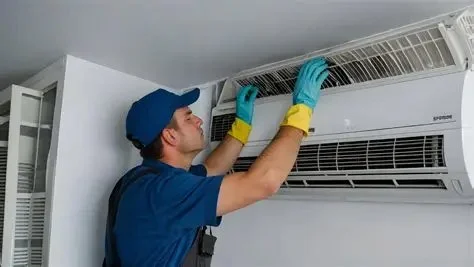
Fixing an AC condenser can seem like a straightforward task, but many homeowners and DIY enthusiasts unknowingly make mistakes that can lead to further damage or inefficiency in their air conditioning system. When your AC isn’t cooling properly, the condenser is often the culprit. However, trying to fix it without the right knowledge or tools can make the situation worse. In this article, we'll walk you through the common mistakes people make when trying to fix an AC condenser and how to avoid them, ensuring your cooling system gets back to optimal performance.

David Taylor Heating & Air
AndersonAnderson CountySouth Carolina
107 C-9-150A, Anderson, SC 29625, USA
2- Common Mistakes When Trying to Fix an AC Condenser
Fixing an AC condenser isn't always a simple task, and several common mistakes can hinder your success. Here are some of the most frequent errors to avoid:
- 1. Ignoring the Power Source: One of the most dangerous mistakes is attempting to fix the condenser without turning off the power. Always ensure the power to the system is turned off before working on the AC to avoid the risk of electric shock.
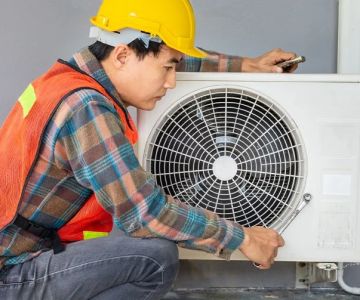
- 2. Using Incorrect Tools: Using the wrong tools for the job can cause damage to the condenser or other parts of the air conditioning system. Make sure you have the proper equipment, such as screwdrivers, wrenches, and gauges, for a successful repair.
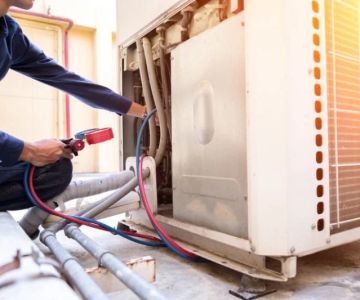
- 3. Not Checking for Leaks: Refrigerant leaks are a common problem in AC systems and can prevent your air conditioner from cooling effectively. Failing to check for or address leaks can lead to inefficient operation and potential damage to the system.
- 4. Overlooking the Coils: AC condensers rely heavily on clean coils for effective heat transfer. If the coils are dirty or obstructed, the system won't cool efficiently. Skipping the cleaning process is a mistake that can lead to further issues down the line.
- 5. Trying to Fix Complex Issues Yourself: Some condenser problems, like electrical or compressor issues, require specialized knowledge and should be handled by a professional. Attempting to fix these complex issues without proper expertise can make the problem worse.
3- How to Avoid These Mistakes
To ensure your AC condenser repair goes smoothly and efficiently, here are some tips on how to avoid the common mistakes listed above:
- 1. Always Turn Off the Power: Before you begin any repairs on your AC system, make sure to switch off the power supply at the breaker panel. This will protect you from electric shock and prevent further damage to the unit.
- 2. Use the Correct Tools: Having the right tools is crucial for a successful repair. Invest in quality tools designed for HVAC repairs, including wrenches, a multimeter for electrical checks, and coil cleaning equipment.
- 3. Regularly Check for Leaks: If your air conditioning isn't cooling efficiently, check the refrigerant levels and inspect the condenser for leaks. If you suspect a refrigerant leak, it’s essential to hire a professional to recharge the system and fix the leak.
- 4. Clean the Coils: Regular maintenance of your AC condenser coils is essential for optimal performance. Clean the coils using a soft brush or specialized coil cleaner to remove dirt and debris that may block airflow and cause overheating.
- 5. Know When to Call a Professional: While minor repairs can be handled by a skilled DIYer, more complex issues like compressor failure, refrigerant leaks, or electrical problems should be left to licensed HVAC professionals. They have the necessary tools and expertise to tackle these problems safely and effectively.
4- When to Call a Professional
While DIY repairs can save you money, there are times when calling a professional is the best option. If you encounter issues with the compressor, electrical components, or refrigerant levels, it’s important to contact an HVAC technician. These systems require specialized tools and expertise to repair correctly. A professional will ensure the job is done safely and that your AC system is restored to peak performance.

Keystone HVAC Services LLC
Keystone HeightsClay CountyFlorida
625 SE Lakeview Dr, Keystone Heights, FL 32656, USA
5- Recommended Tools and Parts for AC Condenser Repairs
If you're planning on tackling an AC condenser repair yourself, having the right tools and parts is essential. Below are some recommended tools and parts to help you get the job done:
- 1. HVAC Multimeter: This tool is used to measure electrical components, ensuring that all connections are functioning properly.
- 2. Refrigerant Manifold Gauges: These gauges are necessary for measuring the refrigerant pressure and ensuring your AC condenser has the proper amount of refrigerant.
- 3. Coil Cleaning Brush: A soft brush designed for cleaning condenser coils can help remove dirt and debris, ensuring proper airflow and preventing overheating.
- 4. Replacement Coils and Parts: If your condenser's coils are damaged or worn, you may need to replace them. Ensure you have the correct replacement parts for your specific AC model.
- 5. Leak Detection Kit: A refrigerant leak detection kit can help you locate leaks in the system, preventing refrigerant loss and system malfunction.
Fixing an AC condenser may seem like a challenging task, but with the right knowledge and tools, you can avoid common mistakes and restore your system’s functionality. If you need help or the task seems too complex, don’t hesitate to contact a professional. For the best products, services, and advice on AC repairs, visit Ac Fix for expert recommendations and top-quality parts.
 Cornerstone AC & Heating4.0 (15 reviews)
 TemperaturePro Charleston4.0 (334 reviews)
 Pioneer Heating & Air Services5.0 (11 reviews)
 Adas Auto Repair & Towing4.0 (65 reviews)
 A/C Doctors Inc.4.0 (470 reviews)
 SERVPRO of Alexandria4.0 (42 reviews)
 Fastest Way to Fix AC Unit Without Getting Overcharged in the US
 How Long Should It Take to Fix an Air Conditioning Leak?
 Top Ways to Fix Your AC Quickly and Affordably in Your Area
 How to Fix Air Conditioners Without Spending a Fortune
 Best Practices for a Successful and Affordable AC Fix
 Where to Fix Air Conditioning in Emergency Situations: Quick Solutions